HALL EFFECT MEASUREMENT SYSTEM (HEMS)
HALL EFFECT MEASUREMENT SYSTEM (HEMS)
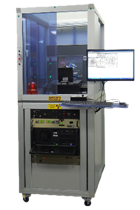
HEMS is an integrated hardware and software system designed to measure and analyze the electronic properties of samples. The system allows measurements under a magnetic field up to 2.5 Tesla; with the combination of a cryostat, the magnetic field is up to
-
详细介绍
HEMS is an integrated hardware and software system designed to measure and analyze the electronic properties of samples. The system allows measurements under a magnetic field up to 2.5 Tesla; with the combination of a cryostat, the magnetic field is up to 16 T.
The system supports measurements in the range of 3 K – 1273 K with two different temperature measuring heads, and provides easy sample assembly via a probe system that can move in three axes.
The NMI Hall Effect Measurement System performs electrical characterization of semiconductors, organic conductors, and metal oxide materials. These materials, developed using nanotechnology methods, are used in chip technology, solar cell development, material science, space technology, and the defense industry.
 Optional Heating Stage
 Measurement Specifications
Carrier mobility: 10⁻¹ to 10⁷ cm²/V·s
Carrier concentration: up to 10²² /cm³
Resistivity: 10⁻⁵ to 10⁹ Ω·cm
Low Temperature AC-DC Measurement & Characterization
Static Insert
Six contacts for Hall effect, four contacts for van der Pauw measurement
Sample size: max 10 mm × 10 mm
Up to 12 contacts to sample
29 mm OD sample insert (other sizes optional)
25 spare sample holders
Measurement electronics and control software
Temperature range: 1–300 K
Rotary Insert (Vertical and Horizontal Rotator)
Rotation: 0°–360° with 0.016° resolution
Sample size: max 5 mm × 10 mm
Up to 12 contacts to sample
29 mm OD sample insert (other sizes optional)
25 spare sample holders
Measurement electronics and control software
Temperature range: 1–300 K
KF50 or KF40 flange option
DC Resistance / Hall Effect Measurements
Source current programming range: 50 pA to 1 A
Voltage measurement range: 100 mV (100 nV resolution) to 100 V (10 pV resolution)
Temperature range: 1–300 K
AC Resistance / Hall Effect Measurements
Source current programming range: 2 nA to 100 mA
Frequency range: 1 Hz to 1 kHz
Real and imaginary parts of impedance Z(T)
Voltage noise (with low-noise voltage preamplifier): 1 nV/√Hz noise floor at 1 kHz, 60 dB gain
AC Susceptibility Measurement
Sample size: max 5 mm diameter
AC frequency range: 10 Hz to 10 kHz
AC field amplitude range: 2 mOe to 150 Oe
Sensitivity: 2 × 10⁻⁷ emu (2 × 10⁻¹⁰ A·m² at 10 kHz)
Real and imaginary parts of susceptibility (T)
Includes calibrated sensor at sample stage / pick-up coils
Measurement electronics and control software
Temperature range: 1–300 K
Options
Low-noise voltage preamplifier for AC resistance: 1.5 nV/√Hz noise floor at 1 kHz
Voltage input range: ±5 V at ×1 gain
Common mode rejection: 120 dB at 1 kHz
Calibrated thermometer and heater at the sample stage
400 K high-temperature option for measurement probes
Measurement Specifications
Carrier mobility: 10⁻¹ to 10⁷ cm²/V·s
Carrier concentration: up to 10²² /cm³
Resistivity: 10⁻⁵ to 10⁹ Ω·cm
Low Temperature AC-DC Measurement & Characterization
Static Insert
Six contacts for Hall effect, four contacts for van der Pauw measurement
Sample size: max 10 mm × 10 mm
Up to 12 contacts to sample
29 mm OD sample insert (other sizes optional)
25 spare sample holders
Measurement electronics and control software
Temperature range: 1–300 K
Rotary Insert (Vertical and Horizontal Rotator)
Rotation: 0°–360° with 0.016° resolution
Sample size: max 5 mm × 10 mm
Up to 12 contacts to sample
29 mm OD sample insert (other sizes optional)
25 spare sample holders
Measurement electronics and control software
Temperature range: 1–300 K
KF50 or KF40 flange option
DC Resistance / Hall Effect Measurements
Source current programming range: 50 pA to 1 A
Voltage measurement range: 100 mV (100 nV resolution) to 100 V (10 pV resolution)
Temperature range: 1–300 K
AC Resistance / Hall Effect Measurements
Source current programming range: 2 nA to 100 mA
Frequency range: 1 Hz to 1 kHz
Real and imaginary parts of impedance Z(T)
Voltage noise (with low-noise voltage preamplifier): 1 nV/√Hz noise floor at 1 kHz, 60 dB gain
AC Susceptibility Measurement
Sample size: max 5 mm diameter
AC frequency range: 10 Hz to 10 kHz
AC field amplitude range: 2 mOe to 150 Oe
Sensitivity: 2 × 10⁻⁷ emu (2 × 10⁻¹⁰ A·m² at 10 kHz)
Real and imaginary parts of susceptibility (T)
Includes calibrated sensor at sample stage / pick-up coils
Measurement electronics and control software
Temperature range: 1–300 K
Options
Low-noise voltage preamplifier for AC resistance: 1.5 nV/√Hz noise floor at 1 kHz
Voltage input range: ±5 V at ×1 gain
Common mode rejection: 120 dB at 1 kHz
Calibrated thermometer and heater at the sample stage
400 K high-temperature option for measurement probes

 Shubnikov de Haas Oscillations in GaInAs Quantum Well
 Low Temperature Rotator
-
详细参数
-
产品特色
因用于机器人各方面应用且与大多数机器人类型兼容,AutoCal系统可以检测出机器人自身构造和工具中心点(TCP)的 突然改变或偏离,并且该系统无需人为干涉就自动地更正这些误差。
AutoCal系统-Dynalog的先进水平校准技术,Dynalog是机器人单元标定技术的世界领导者。它的主流产品DynaCal 系统,被应用于离线的机器人单元校准,并作为最精确的和技术先进的机器人校准程序为许多机器人制造商和终端使用者所接受。AutoCal 系统将已证实的DynaCal校准技术结合到一个在线的全自动系统中,该系统专为程序控制和复原而设计的,价格低廉。
-
详细介绍
AutoCal系统提供在线的机器人校准方案,旨在快速和自动地保证机械设备的工作性能。因用于机器人各方面应用且与大多数机器人类型兼容,AutoCal系统可以检测出机器人自身构造和工具中心点(TCP)的 突然改变或偏离,并且该系统无需人为干涉就自动地更正这些误差。这意味着不用猜测哪里会出错,不用浪费宝贵时间在机器人程序重复校准上,产品品质无任何损失。
AutoCal系统-Dynalog的先进水平校准技术,Dynalog是机器人单元标定技术的世界领导者。它的主流产品DynaCal 系统,被应用于离线的机器人单元校准,并作为最精确的和技术先进的机器人校准程序为许多机器人制造商和终端使用者所接受。AutoCal 系统将已证实的DynaCal校准技术结合到一个在线的全自动系统中,该系统专为程序控制和复原而设计的,价格低廉。